
It is because symptoms usually develop gradually over hours or even days. It may not be recognised until the person becomes significantly unwell.
If untreated, the condition can progress to diabetic ketoacidosis (DKA), which is life-threatening.
Common signs may include:
- Extreme thirst
- Dry mouth
- Frequent urination
- Warm, dry skin
- Sunken eyes (dehydration)
- Rapid pulse
- Fast, deep breathing
- Abdominal pain
- Nausea and vomiting
- Recent unexplained weight loss
A distinctive sign can be a fruity or acetone smell on the breath.
If hyperglycaemia is suspected and the person becomes drowsy, confused, or vomits repeatedly, call 111 immediately.
For more information & support check out Diabetes New Zealand at: https://www.diabetes.org.nz
Tomorrow we tackle the big question — high or low?
For great health information, check out Health Navigator New Zealand, where you will find expert opinion online.

Click here to learn more and find out how you can learn first aid for FREE
Click the images below to access our learning resources.

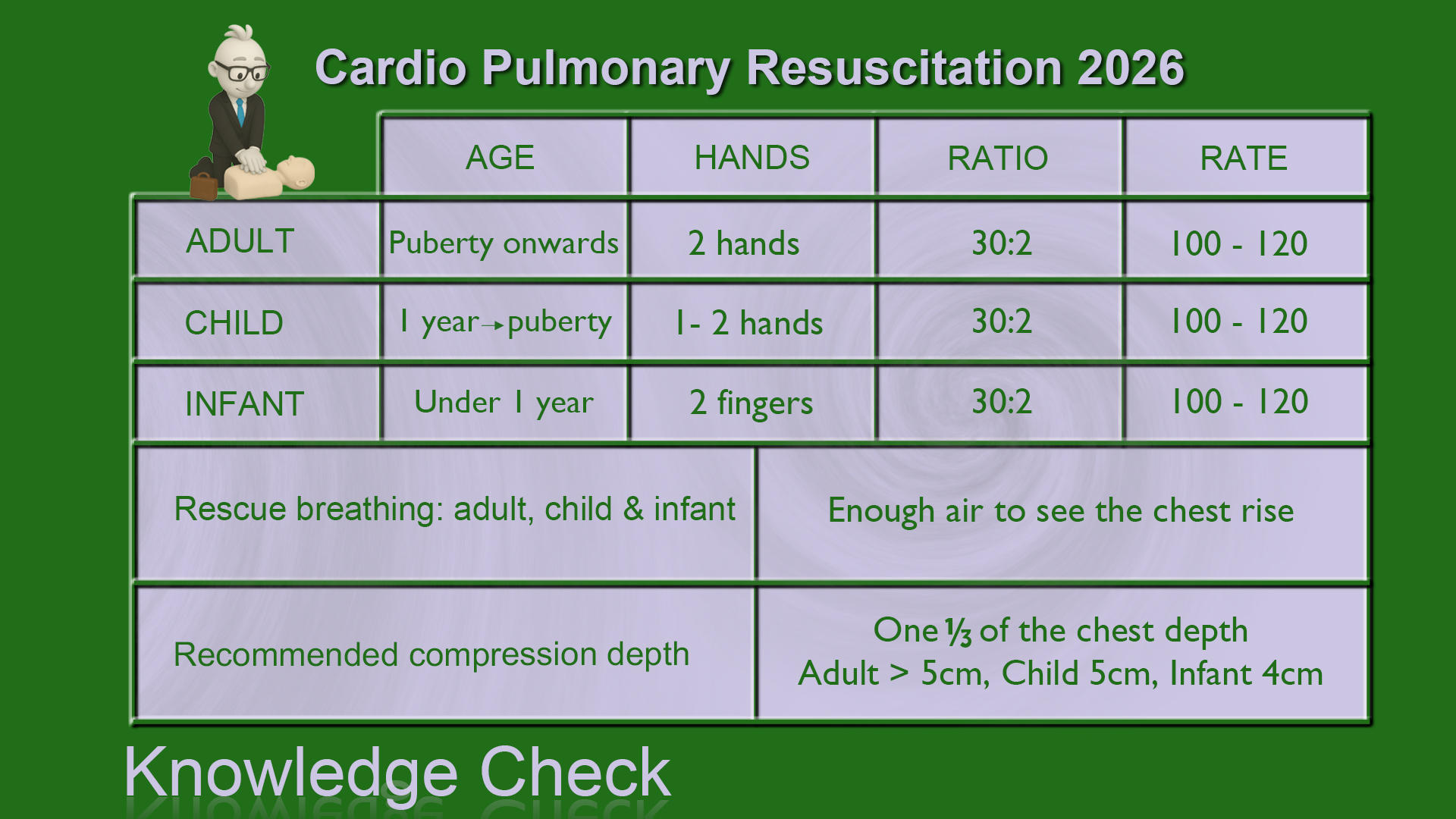
Click here to find out how you can learn first aid for FREE
To learn more from the experts about previously covered conditions, click their logo below.

Acknowledgement
Data and information are fact-checked against various recognised sources, including the New Zealand Resuscitation Council, Health Navigator New Zealand, St John, and other recognised entities specialising in the specific subject content. It should be noted that there are variances in protocols, which are identified where necessary.