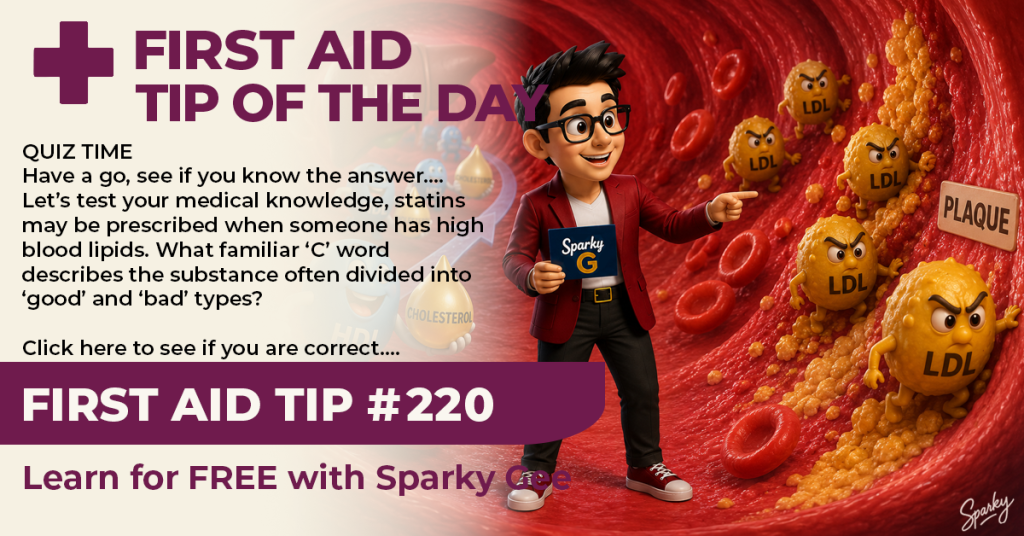
…..Answer: Cholesterol.
Cholesterol, or matū ngako, is a waxy, fat-like substance carried in the blood. The body needs cholesterol to build cells, produce hormones and support digestion.
Cholesterol comes from two main sources:
- The liver produces it naturally
- Some foods contribute additional cholesterol and fats
Cholesterol travels through the bloodstream in particles called lipoproteins.
LDL cholesterol
Low-density lipoprotein, or LDL, is often described as “bad cholesterol.” High levels can contribute to fatty plaque forming inside arteries.
Over time, this can narrow the arteries and reduce blood flow. If a plaque ruptures and a clot forms, the artery may become blocked, leading to a heart attack or stroke.
HDL cholesterol
High-density lipoprotein, or HDL, is commonly called “good cholesterol.” It helps transport cholesterol away from the arteries and back to the liver for processing.
Statins
Statins are prescription medicines that lower LDL cholesterol and reduce the risk of heart attack and stroke in people who may benefit from treatment.
They should be taken exactly as prescribed. Anyone concerned about cholesterol or possible medication side effects should speak with their doctor or pharmacist rather than stopping treatment independently.
Tomorrow we begin a new topic and continue building your knowledge of the human body and first aid.
For great health information, check out Health Navigator New Zealand, where you will find expert opinion online.

Click here to learn more and find out how you can learn first aid for FREE
Click the images below to access our learning resources.

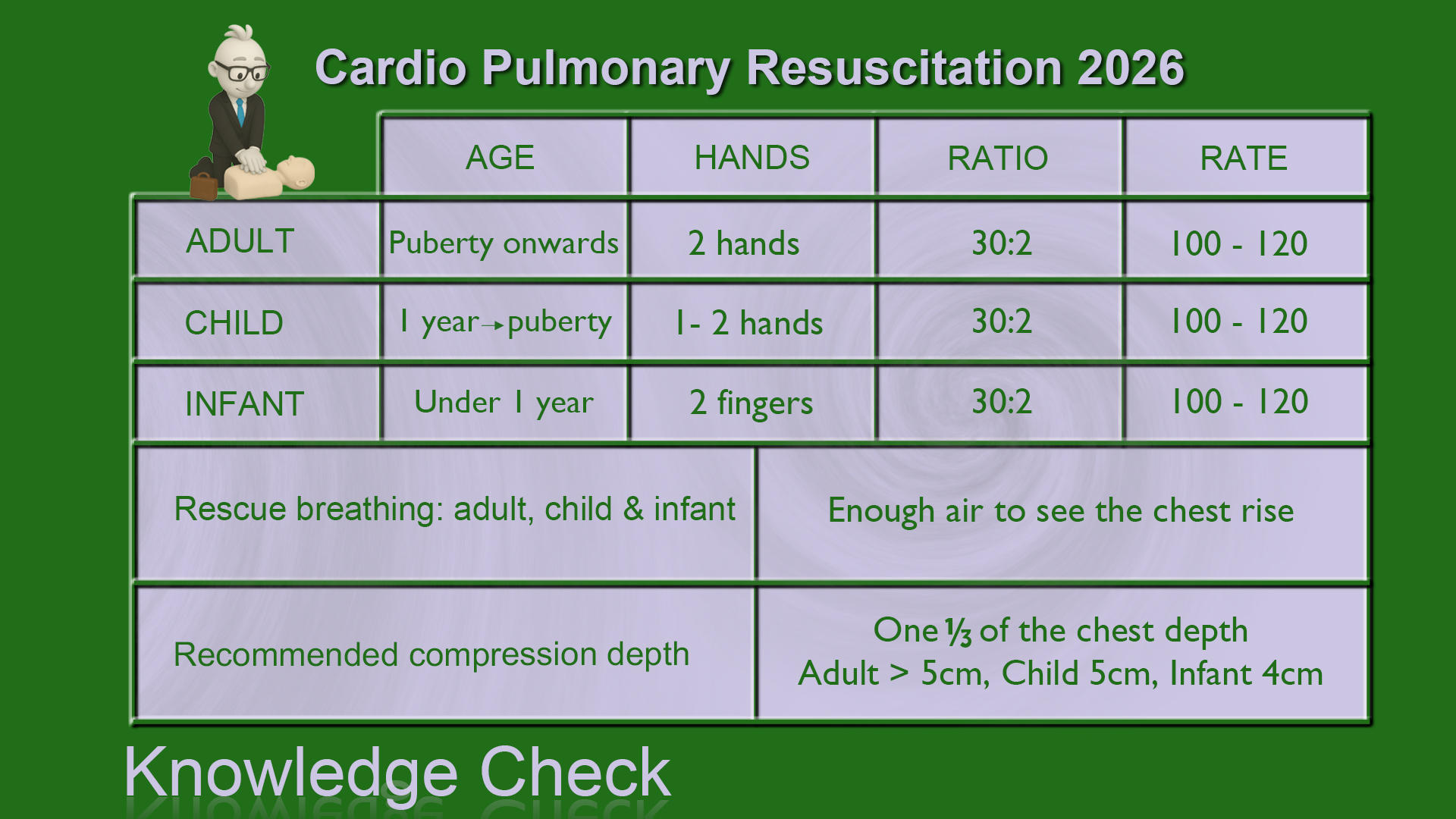
Click here to find out how you can learn first aid for FREE
To learn more from the experts about previously covered conditions, click their logo below.

Acknowledgement
Data and information are fact-checked against various recognised sources, including the New Zealand Resuscitation Council, Health Navigator New Zealand, St John, and other recognised entities specialising in the specific subject content. It should be noted that there are variances in protocols, which are identified where necessary.