
…impression of being drunk. This may be further emphasised if they stumble or fall. Behaviour can also become irrational and irritable; often, the person will deny anything is wrong and insist they are fine.
As body temperature continues to drop, shivering eventually slows and then stops—a critical sign that life is in immediate danger. At this stage, the person may slip into unconsciousness. Another key indicator is a change in appearance: the skin becomes pale, and bluish discolouration (cyanosis) may develop on the lips, fingers, or other areas.
It’s important to note that not all of these warning signs will appear together, and in some cases they may not be obvious at all. Remaining alert to any of these changes can make the difference between life and death.

Tomorrow we’ll look at how to manage and care for someone who has become hypothermic…
For great health information check out Health Navigator New Zealand where you will find expert opinion online.
Click here to learn more and find out how you can learn first aid for FREE
Access our learning resources by clicking the images below.
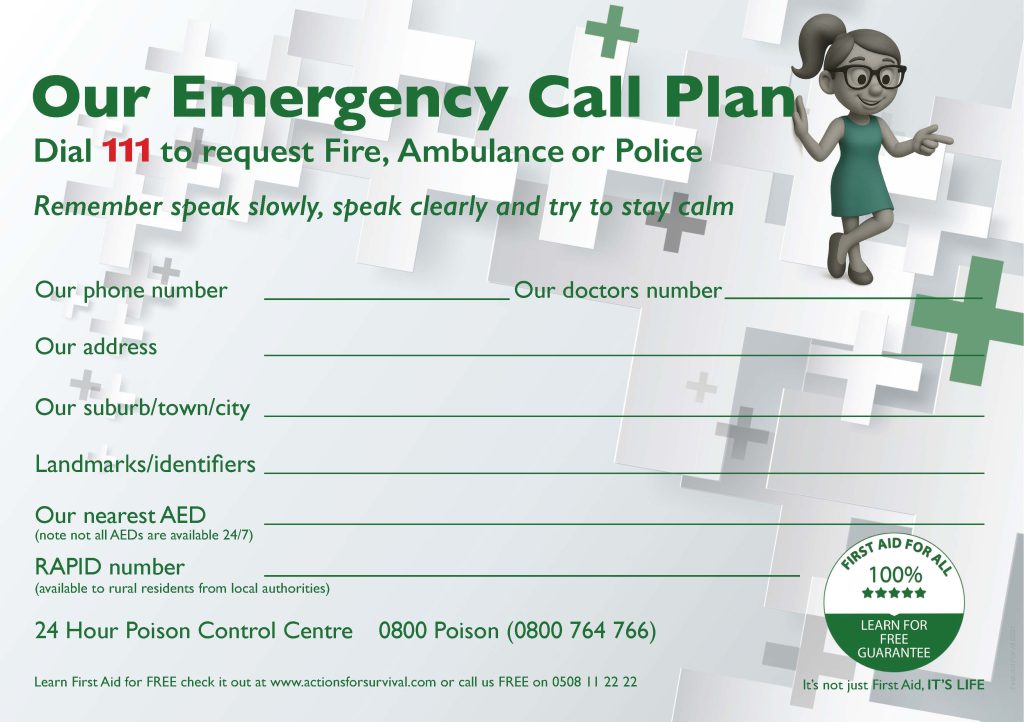

Click here to find out how you can learn first aid for FREE
To learn more from the experts about previously covered conditions, click their logo below.

Acknowledgement
Data and information are fact-checked against various recognised sources, including the New Zealand Resuscitation Council, Health Navigator New Zealand, St John, and other recognised entities specialising in the specific subject content. It should be noted that variances in protocols exist and, where necessary, are identified.