
…follow the instructions provided by the defibrillator. Early defibrillation is critical because many cardiac arrests are caused by lethal heart rhythms that can only be corrected by a shock.
Automated External Defibrillators (AEDs) are designed for public use. They analyse the heart rhythm and will only deliver a shock if one is required. You cannot accidentally shock someone who does not need it.
While defibrillation is being prepared or delivered:
- Continue CPR as instructed
- Ensure no one is touching the patient during analysis or shock
- Resume CPR immediately after the shock if advised
Early defibrillation, combined with early CPR, dramatically improves survival outcomes.
Tomorrow we complete the Chain of Survival with early advanced care.
For great health information, check out Health Navigator New Zealand, where you will find expert opinion online.

Click here to learn more and find out how you can learn first aid for FREE
Click the images below to access our learning resources.

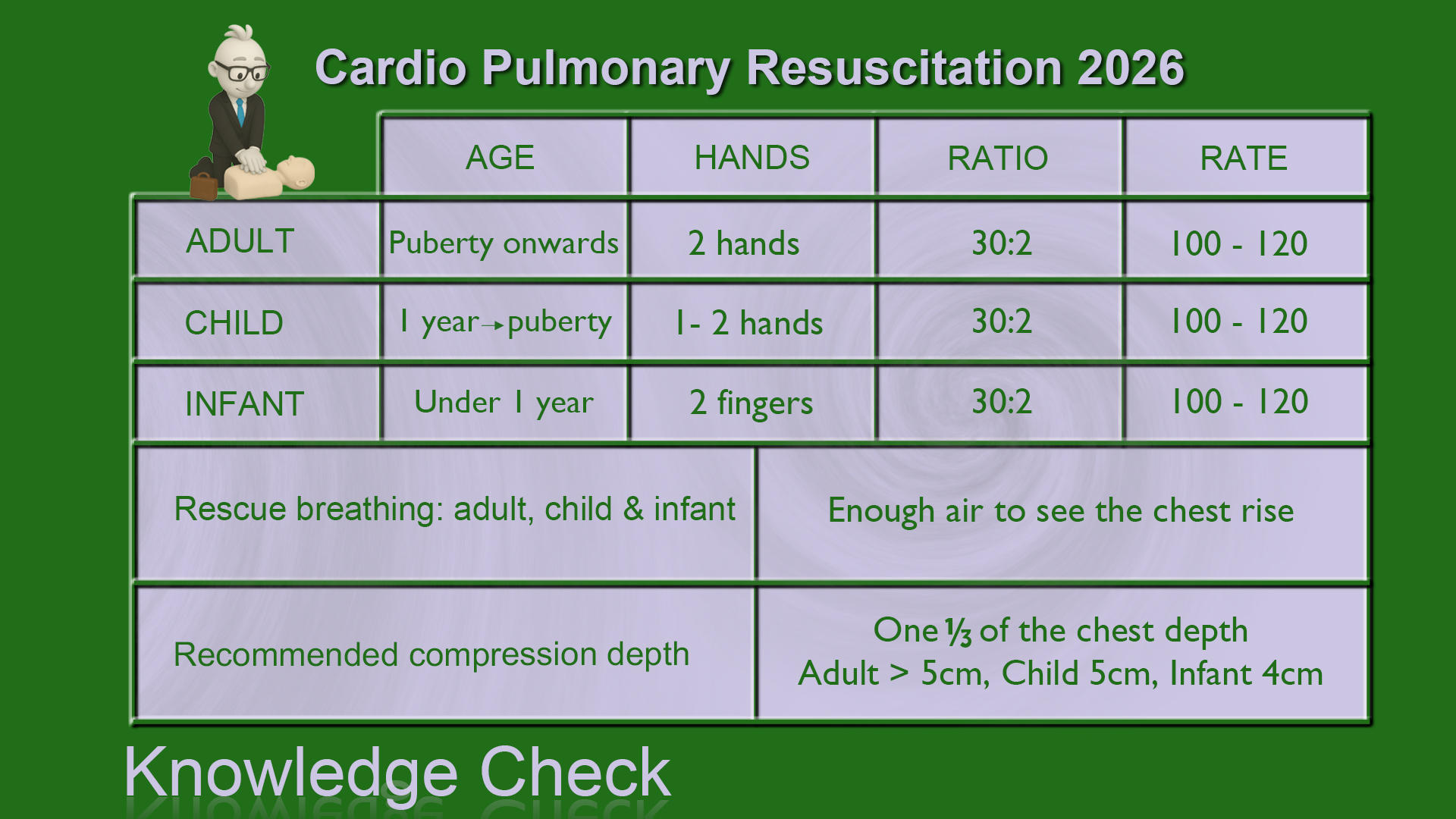
Click here to find out how you can learn first aid for FREE
To learn more from the experts about previously covered conditions, click their logo below.

Acknowledgement
Data and information are fact-checked against various recognised sources, including the New Zealand Resuscitation Council, Health Navigator New Zealand, St John, and other recognised entities specialising in the specific subject content. It should be noted that there are variances in protocols, which are identified where necessary.