

…additional equipment specifically for treating eye injuries.
WorkSafe identifies several examples: people handling chemical liquids or powders, spraying, hosing, or abrasive blasting; working where particles can fly into the eyes; or welding, cutting, and machining.
In those workplaces, suitable eye pads and other appropriate first aid supplies should be considered.
The same principle applies to other hazards.
Think about what could actually happen in your workplace and make sure the first aid equipment reflects those risks.
Past injuries and near misses can also help identify what your workplace is likely to need.
Don’t buy a kit simply because it says “20 Person Workplace Kit” on the box—start with the risks. (WorkSafe)
Tomorrow: What happens when your workplace is kilometres from help, or your worker is completely alone?
For great health information, check out Health Navigator New Zealand, where you will find expert opinion online.
Click here to learn more and find out how you can learn first aid for FREE
Click the images below to access our learning resources.

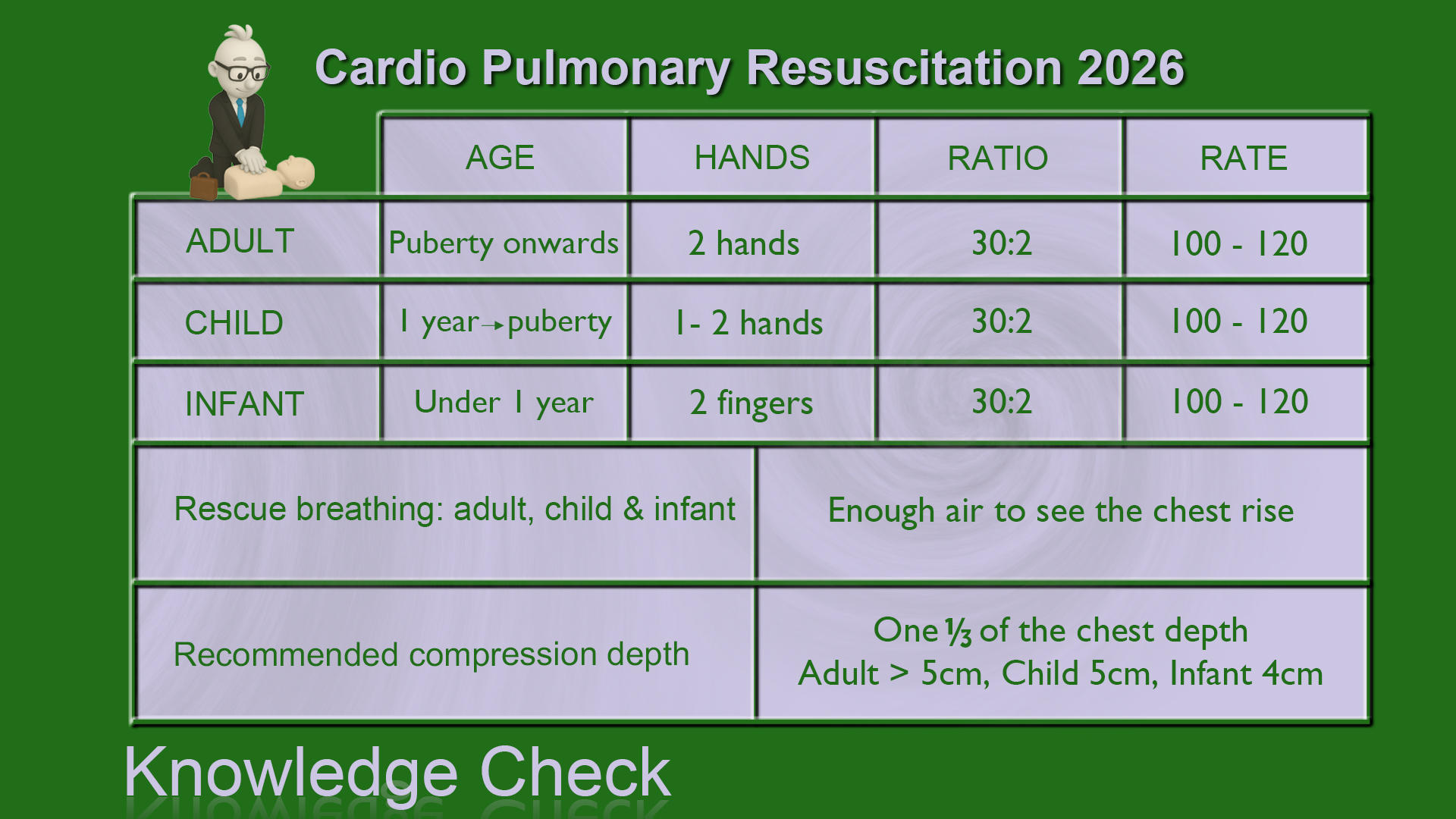
Click here to find out how you can learn first aid for FREE
To learn more from the experts about previously covered conditions, click their logo below.

Acknowledgement
We fact-check data and information against recognised sources, including the New Zealand Resuscitation Council, Health Navigator New Zealand, St John, and other recognised entities specialising in the specific subject content. Protocols vary, and we note differences where necessary.