
Shock may occur when there is a reduction in circulating blood volume, commonly due to:
- severe external or internal bleeding
- major trauma or fractures
- prolonged vomiting or diarrhoea
- dehydration, excessive sweating
- burns and scalds
All forms of shock are medical emergencies requiring urgent assessment and care.
Tomorrow we examine the signs of shock.
For great health information, check out Health Navigator New Zealand, where you will find expert opinion online.

Click here to learn more and find out how you can learn first aid for FREE
Click the images below to access our learning resources.

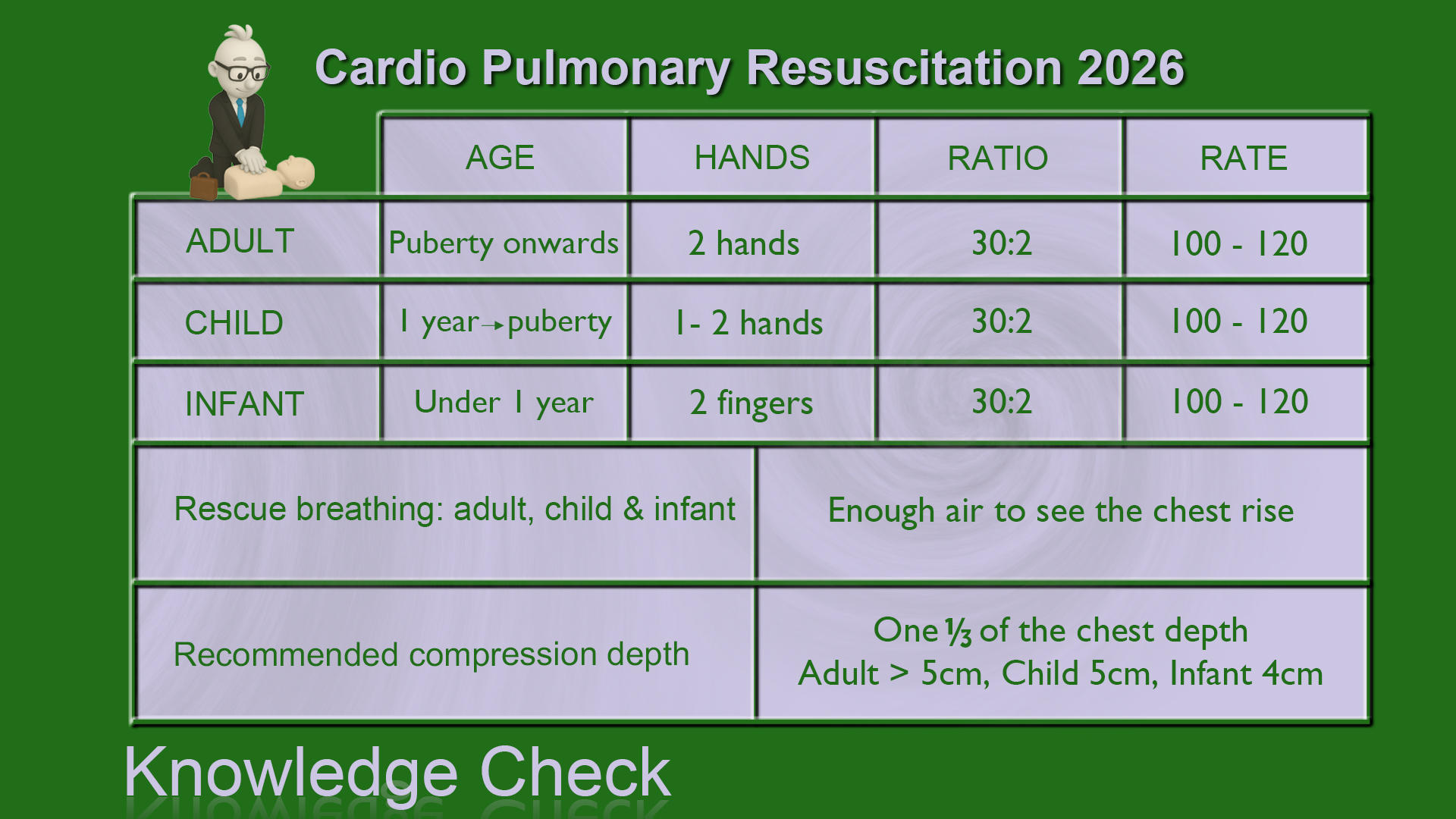
Click here to find out how you can learn first aid for FREE
To learn more from the experts about previously covered conditions, click their logo below.

Acknowledgement
Data and information are fact-checked against various recognised sources, including the New Zealand Resuscitation Council, Health Navigator New Zealand, St John, and other recognised entities specialising in the specific subject content. It should be noted that there are variances in protocols, which are identified where necessary.