

…before you leave can make all the difference.
Before heading outdoors, check the weather forecast and be prepared for conditions to change. Take adequate protection from cold, wind and moisture, wear appropriate clothing and carry extra dry layers.
Food and fluids matter too. Regular food and non-alcoholic drinks provide the energy the body needs to produce heat, especially when conditions get cold.
Think about the terrain, how long you will be out, the experience of the group and what you will do if the weather deteriorates.
Good preparation doesn’t just make an outdoor trip more comfortable—it can prevent a cold situation from becoming a medical emergency.
Tomorrow: What are the early warning signs that someone is becoming hypothermic?
For great health information, check out Health Navigator New Zealand, where you will find expert opinion online.
Click here to learn more and find out how you can learn first aid for FREE
Click the images below to access our learning resources.

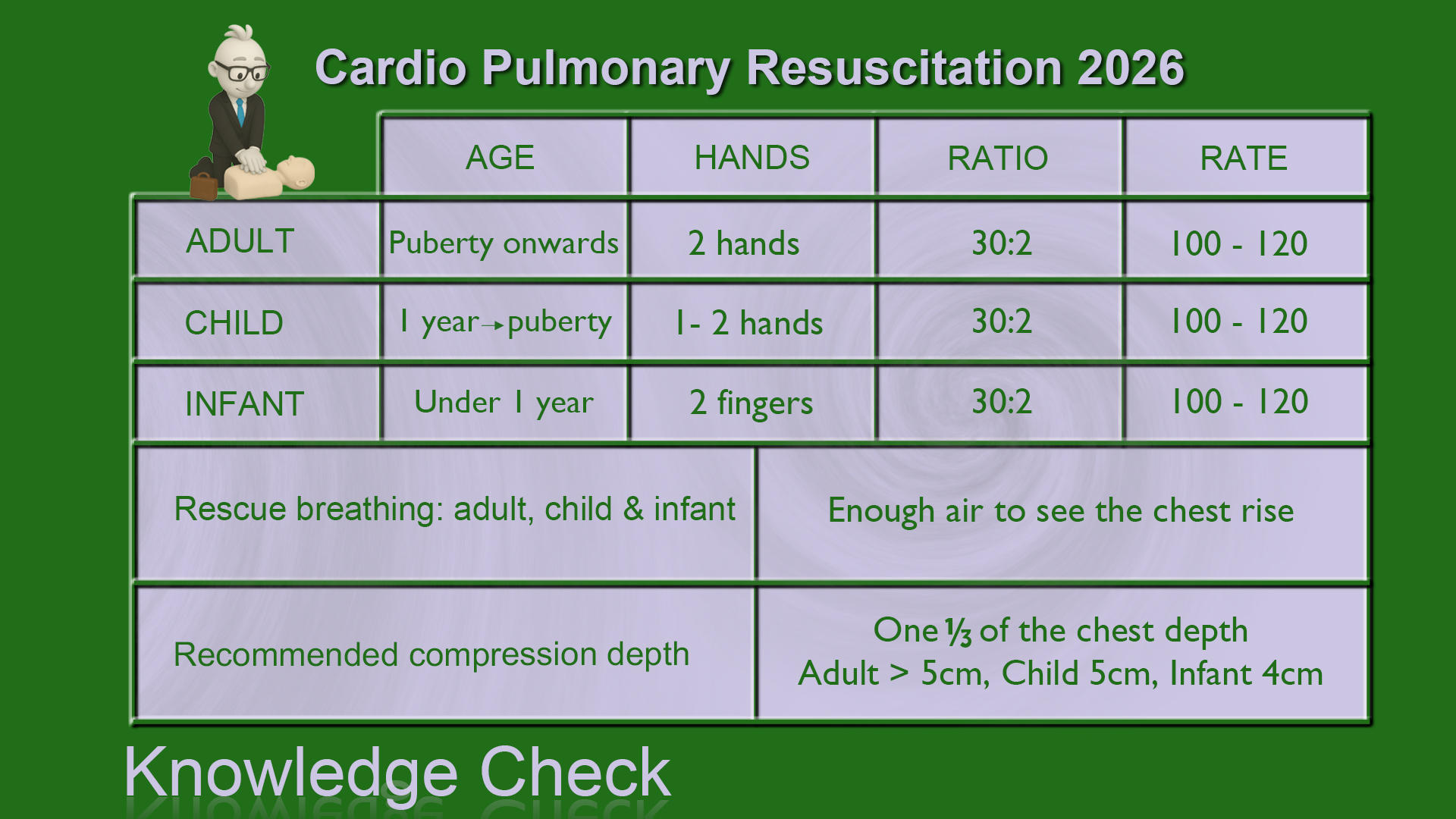
Click here to find out how you can learn first aid for FREE
To learn more from the experts about previously covered conditions, click their logo below.

Acknowledgement
We fact-check data and information against recognised sources, including the New Zealand Resuscitation Council, Health Navigator New Zealand, St John, and other recognised entities specialising in the specific subject content. Protocols vary, and we note differences where necessary.