
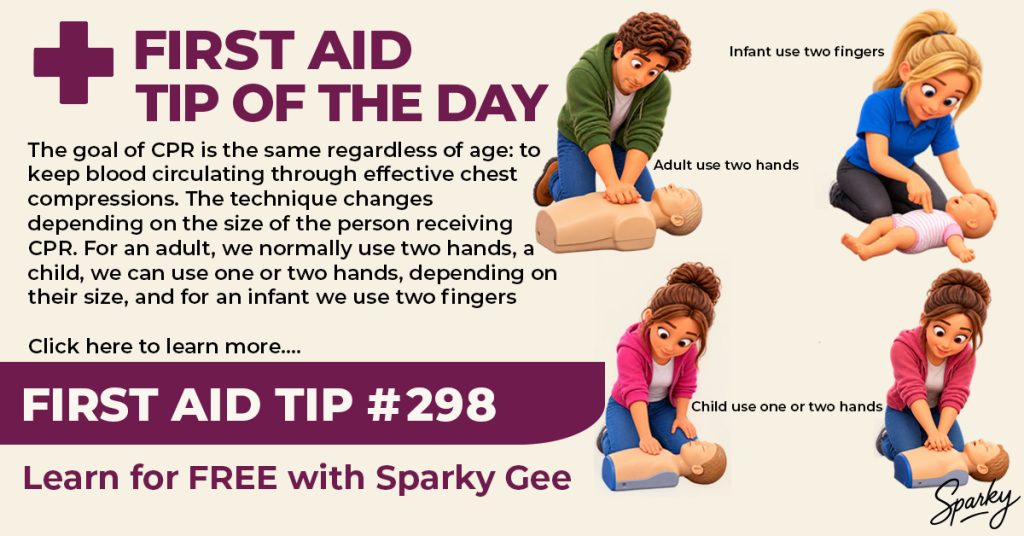
When performing CPR on an infant under 12 months old, NZRC/ANZCOR Basic Life Support guidance recommends using two fingers on the lower half of the breastbone (sternum).
The technique changes with the size of the casualty:
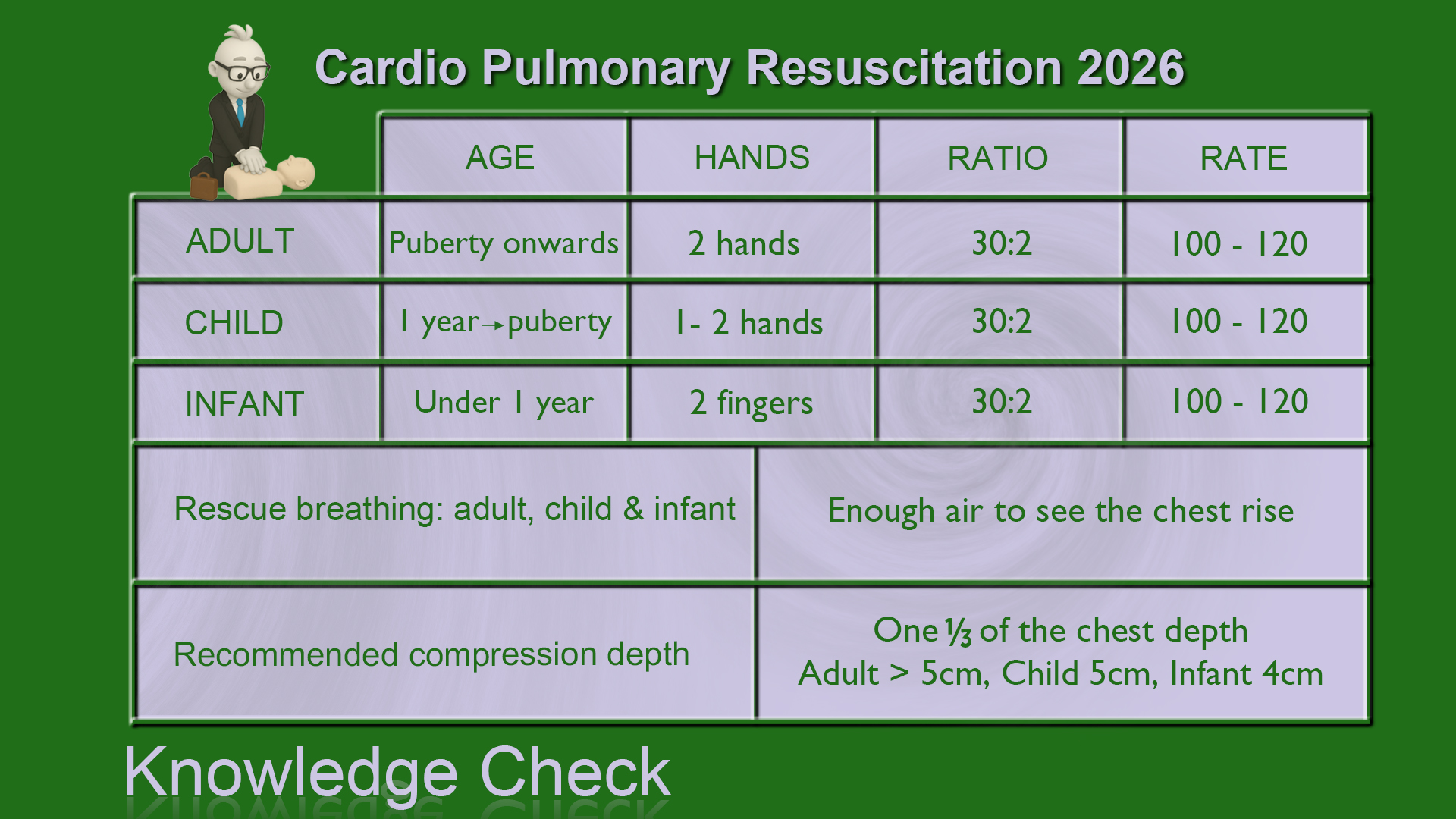
- Adults: Use two hands, with the heel of one hand on the lower half of the sternum (the centre of the chest) and the other hand on top.
- Children (1 year to puberty): Use the heel of one hand or two hands, depending on the child’s size and the ability to achieve adequate compression depth.
- Infants (under 12 months): Use two fingers on the lower half of the sternum (centre of the chest).
Whatever their age, effective CPR depends on compressing the chest correctly.
Remember these essential CPR principles:
- Compress at a rate of 100–120 compressions per minute.
- Compress the chest approximately one-third of its depth.
- Allow the chest to return to its normal position between compressions.
- Give 30 compressions followed by 2 rescue breaths if trained and willing.
- Minimise interruptions to chest compressions.
If someone is unresponsive and not breathing normally, call 111, begin CPR and follow the emergency call taker’s instructions.
Knowing the correct technique for each age group helps you provide effective CPR when every second counts.
Tomorrow we explore why an infant’s head position is so important for keeping their airway open.
For great health information, check out Health Navigator New Zealand, where you will find expert opinion online.

Click here to learn more and find out how you can learn first aid for FREE
Click the images below to access our learning resources.

Click here to find out how you can learn first aid for FREE
To learn more from the experts about previously covered conditions, click their logo below.


Acknowledgement
We fact-check data and information against recognised sources, including the New Zealand Resuscitation Council, Health Navigator New Zealand, St John, and other recognised entities specialising in the specific subject content. Protocols vary, and we note differences where necessary.